

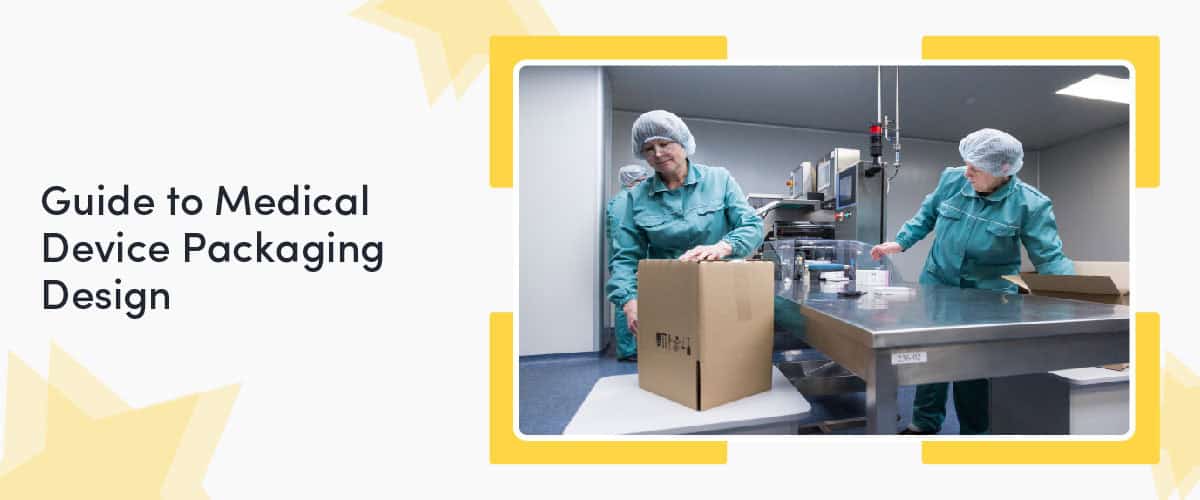
Medical devices require specialised packaging to ensure their sterilisation and withstand transportational rigours. Medical device packaging design provides the opportunity to design packages that ensure all safety and compliance requirements for medical devices. In this detailed blog post, we will explore everything about medical device packaging, be it its definition, types, must-have design requirements, and steps involved in designing medical device packaging.
What Is Medical Device Packaging?
Medical device packaging is a crucial aspect that utilises materials, designs, and systems to protect medical devices from various sources. It acts as a barrier and protects the medical devices from the rigours of transportation, storage, and handling. Medical device packaging ensures devices stay sterilised and free from contamination throughout the supply chain. It comprises labelling, tray/kitting, pouching, and sealing activities. Medical device packaging also involves quality assurance (QA) to ensure devices are packed as they should be.
Common Types of Medical Device Packaging
1. Tyvek®/paper pouches
Tyvek®/paper pouches are widely used for packaging medical devices. This packaging design is known for maintaining sterility and handling the sterilisation methods, like steam, ethylene oxide (EO), and hydrogen peroxide gas. The porous structure of the material creates a barrier against contamination and provides a seamless opening for end-users. It is usually used for packaging lightweight and sterile medical devices, like catheters or gauze.
2. Blister packaging
Blister packaging is one of the most highly used medical packaging design types. It is made of a transparent plastic cavity (the blister) that holds the device, and foil or paper is used as backing material. It provides visibility and tamper resistance and is mostly used for single-use medical tools and sterile medical items. It is known for providing a moisture- and contamination-resistant environment for medical tools.
3. Rigid trays (thermoformed)
Rigid trays are also a common and widely used packaging type with custom-fit compartments. These compartments, or molded cavities, made of pliable plastic sheet, hold the devices more firmly and save them from mechanical damage. This design type is secure and durable for surgical kits and complex instruments.
4. Foil Packaging
Foil packaging is also a common type of medical device packaging, usually made of aluminum. It provides an effective barrier against moisture, light, and contamination. This packaging design is widely used for blister packs containing tablets or devices.
Core Design Requirements for Medical Device Packaging
1. Sterility Assurance
One of the primary design requirements for medical device packaging is that the material used in the packaging container must preserve a sterile environment until the device reaches to end users. The sterility assurance can only be maintained if compatible material selection and airtight sealing are ensured. Compatible material withstands sterilisation methods, while sealing preserves the sterilised device until it reaches the end user.
2. Tamper Evidence
Tamper evidence is the second core design requirement for medical device packaging, as it clearly shows whether the package has been damaged or not. The tampering visibility before authorised opening signals to the user about tampering and saves the patient from using contaminated medical devices.
3. Mechanical Protection
Mechanical protection is a vital packaging design consideration. It protects devices from contamination when mechanical forces, such as shock, vibration, or compression, act upon the packaging. Mechanically protected packaging ensures the product is delivered to end users without any sterility breaches.
4. Ease of Use
In addition to various robust design features, medical device packaging should have an easy-to-use design. It should not present any challenges or require a long list of procedures to open the packaging. It should allow safe and quick access, especially in surgical settings. A concise and punchy opening indication is recognised as a standard design consideration.
5. Clear Labelling
Clear labelling is a vital design consideration embraced for effective identification, traceability, and regulatory compliance. It should include expiry date, batch number, safety information, how to use (if needed), and chemical compounds. QR codes should also be imprinted for effective tracking.
6. Compatibility
Last but not least, compatibility is also an important design consideration, where the material used in packaging should not react with the device itself, be it physically or chemically. It must not degrade the performance of the device and interfere with the device’s sterility.
Step-by-Step Medical Device Packaging Design Process
1. Classify the device
Before starting the medical device packaging design process, the designer must determine the risk level, sterility needs, and distribution conditions of the medical device. It allows them to create a tailored wireframe that comes out clean on the device’s packaging requirements.
2. Select materials
Material selection is one of the vital aspects of the packaging design process. It requires careful selection of those materials that are fully compatible with the device. The selected material should have the property to create a barrier against contamination and the needed strength for handling transportational rigours. In addition, the material should withstand the planned sterilisation method without being physically and chemically deformed.
3. Design & Prototyping
After selecting suitable materials, the design and prototyping process is started. It involves defining user requirements and risk involvement, while creating packaging designs and prototypes for testing. In this step, the designers focus on creating a fit, usable, and easy-to-open design while making sure the packages are sturdy.
4. Conduct Testing
After designing and prototyping, the prepared package goes through a rigorous testing process, where the medical device package is evaluated for ageing, seal strength, microbial barrier, and transport performance. If any discrepancies are found in the prototype, the design undergoes an iteration process to eliminate the design inconsistency.
5. Document for Compliance
Further, medical device packaging is validated to ensure it meets all the compliance requirements, like ISO 11607. These documents for compliance demonstrate that the packaging is protected from contamination and is completely secured for the end-user. It involves creating design history files and validations as per ISO 11607 and other applicable standards.
6. Launch
After completing all the steps outlined above, it is time to get final approval for manufacturing and market release. Ensure all test results are documented for easy approval by the respective authorities.
Also Read: Medical device development process
Conclusion
Medical device packaging design is an essential aspect of medical device packaging. This allows the medical device to provide a suitable and robust environment to deliver them to end users with safety and sterility. When it comes to designing packaging for medical devices, it requires skilled professionals. In such a case, Criador Labs, a reliable medical device development company in India, houses India’s top designing minds. They are responsible for creating high-end packaging designs for medical facilities. Contact us today, as we are a top product design company in India, and build reliable medical device packaging with us.

Abhishek Reddy Gujjala
Criador Labs is an innovative product design studio that is future-focused and renowned for turning bold ideas into exquisitely engineered products. With expertise in Medical Devices, Consumer Technology, and Industrial IoT (Internet of Things), we combine strategy, design, and usability to deliver tangible creative solutions. Founded by Abhishek Reddy Gujjala, an entrepreneur passionate about purposeful innovation, Criador Labs reflects his vision of creating meaningful products that solve real-world problems through thoughtful design.
